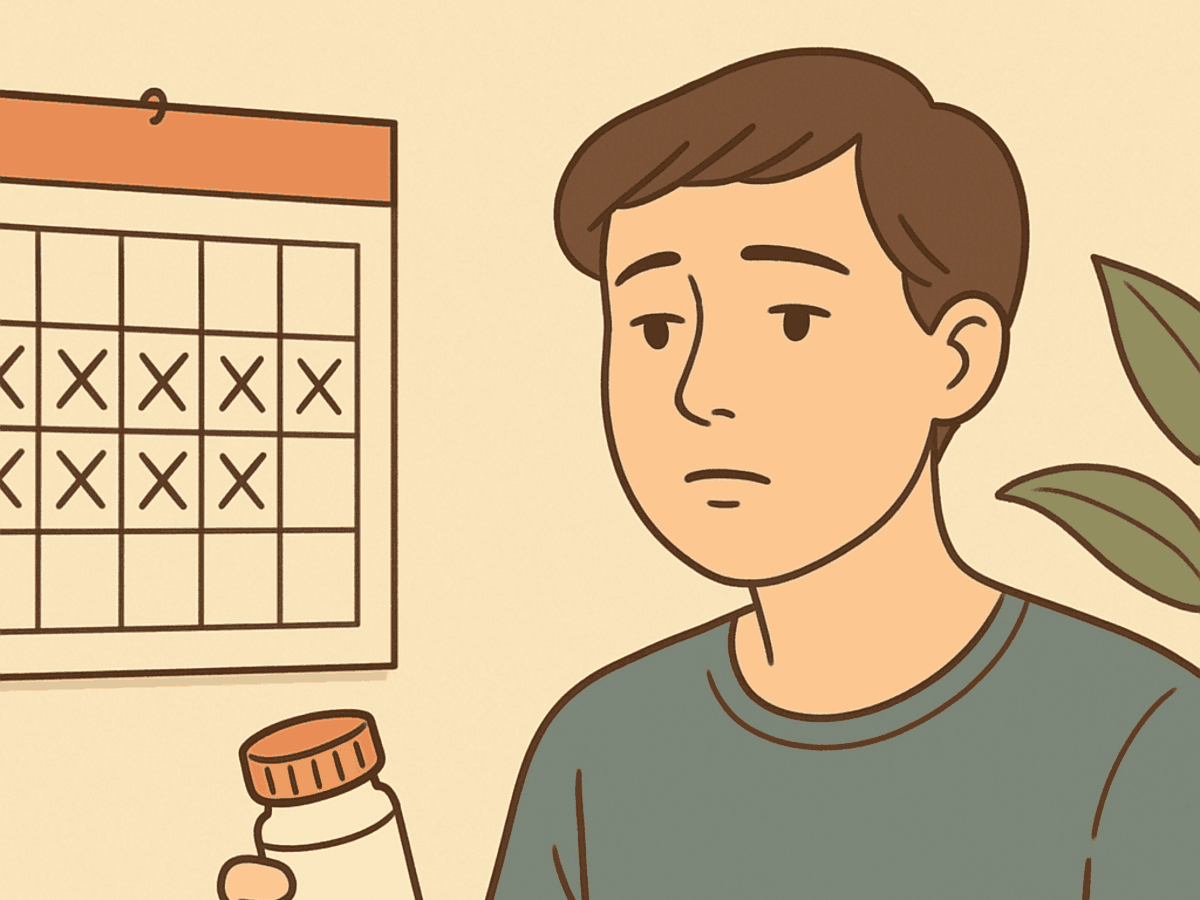

The holidays can bring up a mix of emotions, especially if you’re living with depression, anxiety, difficult-to-treat or treatment-resistant symptoms. Gratitude can feel out of reach, and that’s okay. In this gentle guide, we explore what gratitude can look like during hard seasons, how it supports mental health, and grounding practices our Clear Path team uses themselves.
When Gratitude Feels Hard, You’re Not Doing Anything Wrong
For many people, Thanksgiving brings warmth, connection, and reflection. But if you’re living with depression or anxiety, this time of year may feel heavy. Gratitude might feel forced, or even impossible.
At Clear Path Psychiatry, we want to offer:
A gentler, more compassionate approach to gratitude.
One that doesn’t pressure you to “feel better,” but instead creates room for small moments of steadiness and balance.
It’s completely valid if you don’t feel grateful right now. You are not alone, and your experience matters.
Why Gratitude Can Feel Hard With Depression or Anxiety
Depression and anxiety affect the brain’s ability to notice positive experiences, stay present, and feel connected to others. That’s not a personal failing; it’s a neurological reality. Research using brain scans has found that mood and anxiety symptoms are linked to changes in how the brain’s reward centers communicate with each other. In one 2023 study, higher levels of distress and anhedonia (difficulty feeling pleasure) were related to altered connections between key reward regions, which may help explain why pleasure and positive experiences can feel blunted for many people with depression and anxiety.
This is why gratitude is often described as a practice, not an emotion.
Feeling grateful doesn’t have to feel huge or transformative.
Sometimes it’s simply noticing one stable thing in your environment or inside yourself.
A warm drink. A soft blanket. A moment when your breathing feels just a little easier. Someone who texted to check on you.
These moments count.
The Science: How Gentle Gratitude Supports the Nervous System
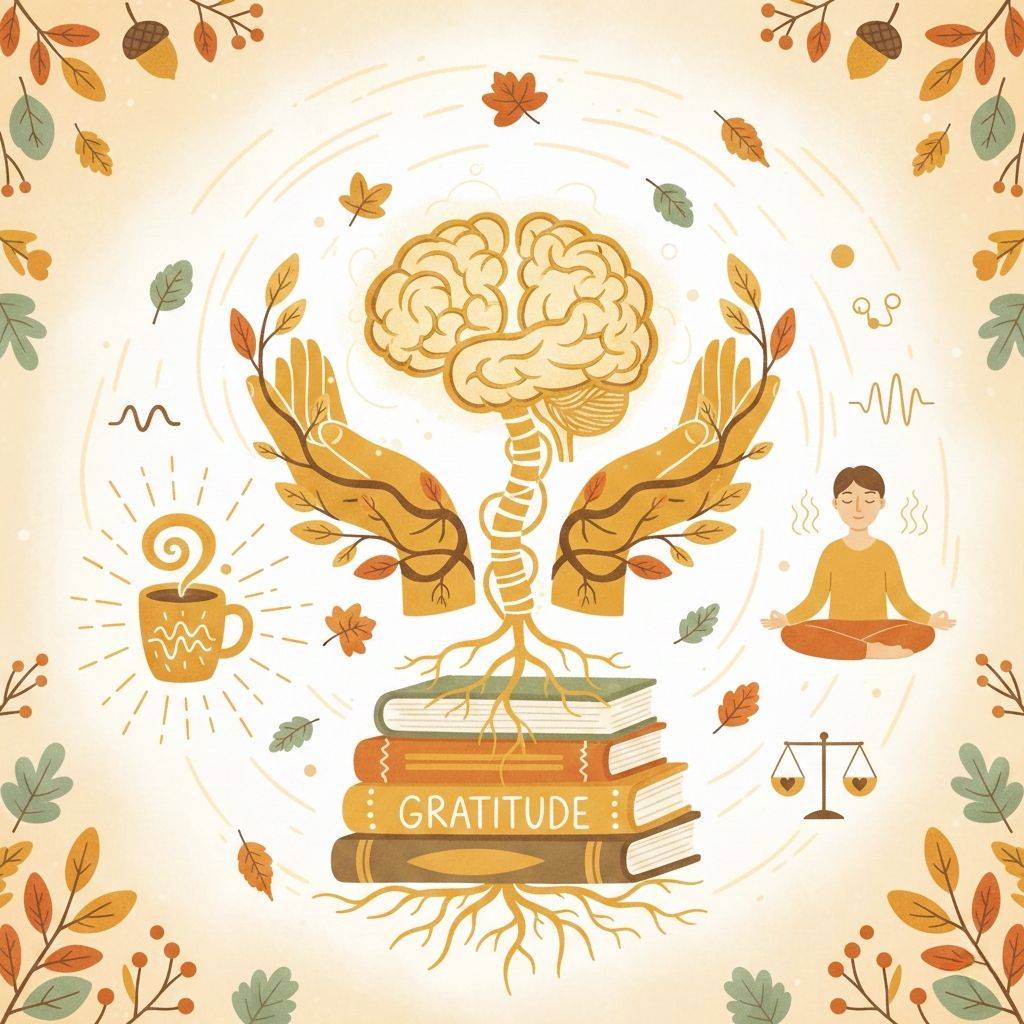
Gratitude doesn’t cure depression or anxiety, but it may offer small shifts that support the nervous system over time.
Research suggests gratitude practices are linked to:
Lower stress levels through reduced cortisol
Improved emotional regulation
Better self-compassion
Stronger connection with others, which supports mental health
Even noticing a single moment of steadiness may activate the brain’s “rest and restore” pathways, helping the body step out of survival mode.
What Gentle Gratitude Can Look Like
You don’t need to journal a full page or list out “five things you’re grateful for.”
Here are compassionate, low-pressure practices you can try:
1. Micro-Gratitude
Notice one tiny thing that feels neutral-to-good, even for a moment:
- Light coming through a window
- Warm socks
- Your pet breathing next to you
- A color you like
- A song that feels familiar
Micro-gratitude is realistic, especially on hard days.

2. Gratitude Through the Senses
Choose one of your senses and sense something steady or comforting.
Touch the soft texture of a favorite pair of PJ pants. Listen to a bird singing in the distance. Take in the scent of your morning coffee. Observe the color of a beloved object.

4. Gratitude for Your Own Resilience
Even if everything feels hard, there is resilience and strength in simply showing up.
What Our Team Is Grateful for This Year
- “Mint chocolate chip ice cream, and being on a care team that always wants to grow and improve for the people we help and each other.”
- “The beauty of the world. I see it everywhere I look, and I’m grateful for that daily.”
- “Food and caring friends.”
- “Seeing the Clear Path team grow with passionate, warm people, and witnessing how that has strengthened the level of care we offer.”
Gratitude doesn’t need to feel profound. It can be whatever feels true for you.
Grounding Techniques Our Team Uses When Things Feel Overwhelming
Grounding can offer small moments of steadiness during stressful or overwhelming times. These are a few practices our team turns to themselves:
- Cool water on the face
Cool water on the face can trigger a natural calming reflex in the body, sometimes called the dive reflex, which may help settle the nervous system.
- Feet on the ground, imagining roots
Resting both feet flat on the floor and imagining roots growing into the earth, with details like twisting roots and tiny underground creatures, can create a sense of stability and connection in the body.
- Bird watching and noticing nature
Paying attention to small movements and sounds in nature, such as birds hopping or singing, can gently shift your attention and offer a quiet moment of calm.
- Working with color
Coloring, arranging colors, or creating simple artwork can engage the senses and may help the nervous system settle in a soothing, grounding way.
You can try any of these or shape them into something that fits into your own life and works for you.
When Gratitude Isn’t Enough
If your depression, anxiety, or symptoms feel overwhelming, you’re not doing anything wrong. Gratitude is not a cure or a replacement for treatment.
At Clear Path Psychiatry in Seattle, we specialize in care for treatment-resistant depression, anxiety, OCD, and PTSD. We offer TMS and Spravato® as advanced treatment options for people who haven’t found relief with traditional approaches.
If you’re wondering “How does TMS work?”or “Does TMS work for treatment-resistant depression?” or, we’ve linked these questions below so you can explore them at your own pace.
“Does TMS work for difficult to treat depression?” link
“How does TMS work?” link
And if you’d like to talk with someone about your options and how we may support you, our team is here to help. Please feel free to call or reach out anytime. We can walk through your options gently and clearly.
FAQ
What if gratitude feels impossible when I’m depressed?
That’s completely valid. Depression can affect the brain’s ability to experience pleasure. Start small and notice moments, colors, textures, or neutral experiences.
How can grounding help with anxiety during the holidays?
Grounding brings your body back to the present moment. Cold water, color work, sensory grounding, and nature can help the nervous system settle.
Do I need to feel grateful to benefit from the practice?
No. Gratitude is about noticing, not forcing a feeling. Even neutral observations can support mental health.
Support and Treatment Options
Can TMS help with depression that hasn’t improved with medication?
TMS may help adolescents and adults with treatment-resistant depression by gently stimulating areas of the brain involved in mood. Learn more on our TMS page.
Can Spravato® help with depression that hasn’t improved with medication?
Spravato® may help adults with treatment-resistant depression by affecting glutamate pathways involved in mood regulation. Learn more on our Spravato® page.
What if gratitude brings up sadness instead of peace?
Gratitude can sometimes bring up feelings other than peace, and that’s completely normal. It can highlight things that feel missing or painful. Move gently, take breaks, and use grounding tools to stay present. You can come back to it whenever you feel ready.
A Gentle Holiday Message from Clear Path
Seasons like this can bring many emotions, whether heavy, hopeful, or uncertain. You deserve kindness and compassion through all of them. Gratitude can look different for everyone, and it is okay if it feels complicated this year.
If things feel hard right now, you are not alone. We are here to support you in finding your way forward.
If you would like to learn more about TMS or Spravato®, we have linked helpful resources earlier in this post.