
Is It Okay to Skip New Year’s Resolutions?
A More Gentle Approach to the New Year
If January has you feeling heavy, unmotivated, or anxiety-filled, you’re not alone.
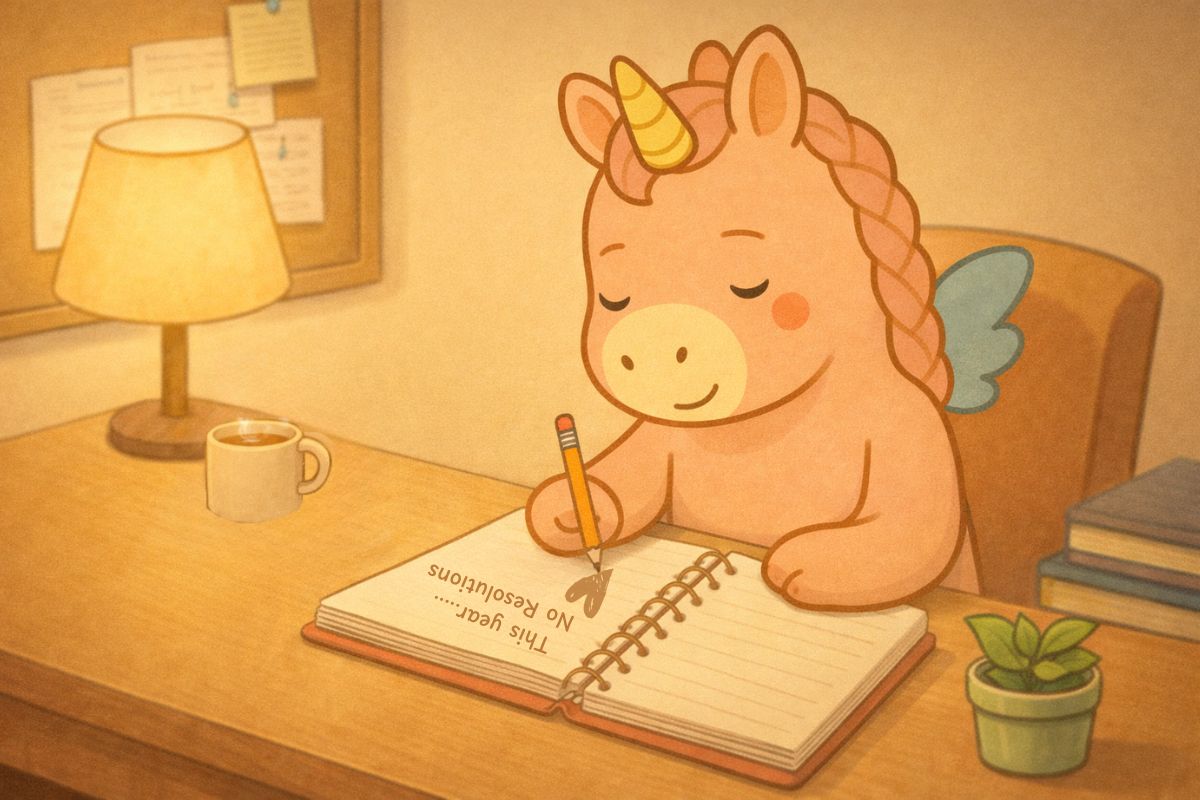
It is completely okay to skip New Year’s resolutions. Winter naturally supports rest, not major life changes. Many people feel depleted after the holidays, and pushing productivity too soon can increase burnout rather than improve motivation. A gentler approach, focused on rest, reflection, and support, often leads to more sustainable change over time.
Understanding New Year’s Anxiety
The start of a new year is often framed as a time for motivation, productivity, and dramatic life changes. But for many people, January brings exhaustion, anxiety, and a sense of pressure that can feel hard to explain.
If you feel foggy, unmotivated, or emotionally heavy as the year begins, there is nothing wrong with you. In many cases, this response makes sense. Your nervous system may simply be reacting appropriately to the season and the world around you.
Why the New Year Can Feel So Heavy
Traditionally, January is treated like a sprint. Earlier mornings, stricter routines, and big goals are encouraged almost immediately. For many people, that push conflicts with biological reality and emotional capacity.
Common reasons January feels overwhelming include:
- Winter biology: Shorter days and reduced sunlight naturally signal the body to slow down. Energy levels, motivation, and circadian rhythms often dip during winter, especially in the Pacific Northwest.
- Post-holiday recovery: Even meaningful holidays can be overstimulating and draining. Many people enter January still recovering emotionally, physically, or financially.
- Survival mode: If the past year required endurance rather than growth, planning an entire future can feel overwhelming. When the nervous system is focused on getting through the day, long-term goals can feel threatening rather than supportive.
- All-or-nothing expectations: Traditional resolutions often leave no room for flexibility. When perfection is the standard, anything less can quickly turn into guilt, shame, or burnout.
In this context, low motivation is not a personal failure. It is often a sign that rest is needed.
Is It Really Okay to Skip New Year’s Resolutions?
Yes. It truly is.
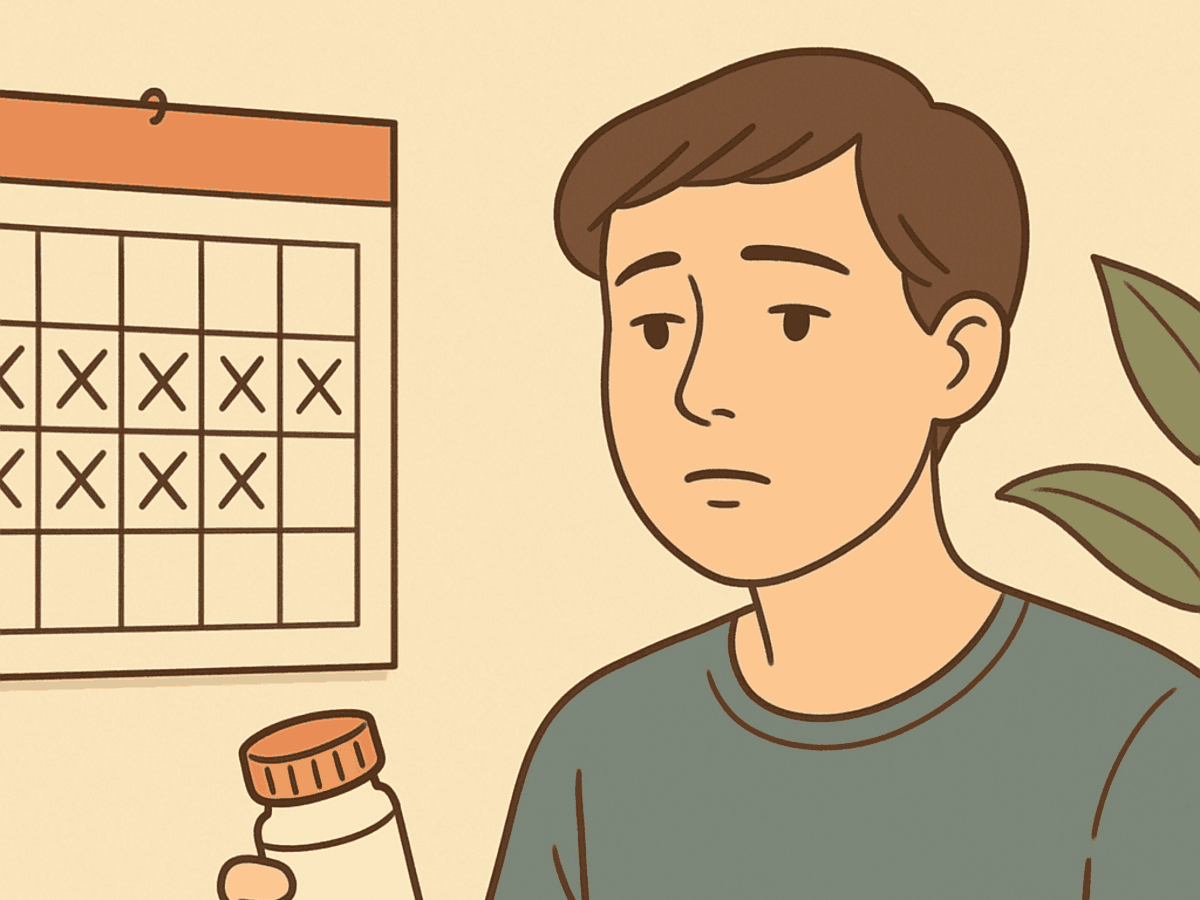
Research consistently shows that most people abandon resolutions within the first few weeks of the year. This is not because people lack discipline, but because many goals are shaped by external pressure rather than internal readiness.
You are not required to set goals simply because the calendar changed. If motivation is low, forcing change rooted in self-criticism rather than self-compassion is rarely sustainable. Instead of treating January as a performance phase, it can be more supportive to view it as a preparation phase.
Gentler Alternatives to Traditional Resolutions
If you want to move forward without rigid expectations, these approaches can support momentum without overwhelming your nervous system.
Reflect before you plan.
Looking back at the past year can be more helpful than pushing forward too quickly. Notice which people, environments, or activities brought moments of relief or steadiness, and make room for more of those when possible.
Let winter be winter.
Biologically and emotionally, winter is a season of conservation. Many people find that motivation returns more naturally as daylight increases. There is nothing wrong with waiting until spring to initiate bigger changes.
Address small “tolerations”.
Tolerations are minor, ongoing irritations that quietly drain energy. Fixing a broken drawer, unsubscribing from unwanted emails, or organizing one small space can create a sense of relief and forward motion without requiring high effort.
Choose approach-oriented intentions.
Goals framed around adding support tend to be more sustainable than those focused on restriction. Adding rest, nourishment, or connection is often gentler than trying to eliminate habits through force.
Set intentions instead of outcomes.
Rather than attaching success to a specific result, consider how you want to show up. Intentions allow flexibility and self-compassion as circumstances change.
When Mental Health Support Is Part of the Conversation
For some people, new year anxiety or low motivation is not just seasonal. It may be connected to depression, anxiety, or long-standing burnout that has not improved with rest alone.
Support can look different for everyone. Alongside therapy and lifestyle changes, evidence-based treatments such as Transcranial Magnetic Stimulation (TMS) and Spravato® can offer additional options for people who have not found enough relief with traditional approaches. These treatments are designed to support the brain’s ability to regulate mood and restore flexibility, creating space for healing rather than forcing change.
You Are Allowed to Move at Your Own Pace

Lasting change rarely begins on an arbitrary date. It grows through patience, self-compassion, and support.
Think of your energy like a garden. January is not the time for visible growth. It is the quiet season when the soil rests and prepares. Trying to force blooms in frozen ground works against the natural process.
You are allowed to rest. You are allowed to wait.
FAQs About New Year’s Anxiety
Is it normal to feel anxious or depressed at the start of the new year?
Yes. Many people experience increased anxiety, low mood, or fatigue in January due to seasonal changes, post-holiday exhaustion, and cultural pressure to “start fresh.” These feelings are common and valid.
Is it okay if I don’t set New Year’s resolutions?
Absolutely. You are not required to set goals just because the calendar changes. For many people, rest, reflection, or maintaining stability is more supportive than pushing for change in January.
When should I consider professional mental health support?
If low mood, anxiety, or burnout lasts beyond a few weeks, interferes with daily life, or feels overwhelming, it may be helpful to explore professional support.
Can treatments like TMS or Spravato help with ongoing depression or burnout?
For many people, yes. Evidence-based treatments such as TMS and Spravato can be helpful options when traditional approaches have not provided enough relief. A consultation can help determine what level of support makes sense.
Ready to Take the Next Step?
If the new year feels heavier than expected, you do not have to navigate it alone. Our team offers thoughtful, individualized mental health care for people in the Seattle area that are navigating anxiety and depression.
Reach out to schedule a consultation or learn more about supportive care for difficult-to-treat depression.